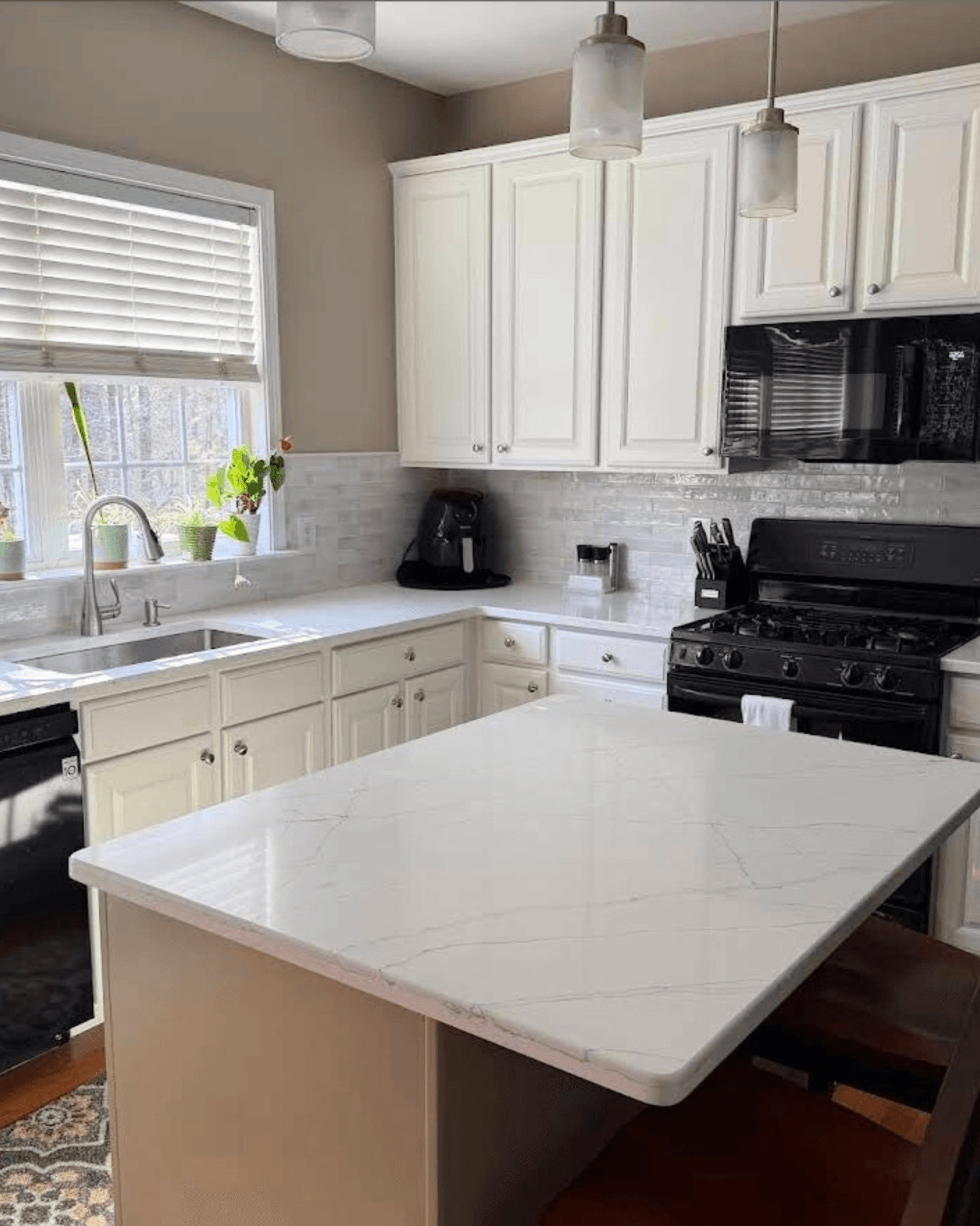
Quartz countertops are a popular choice for homeowners who want beauty, durability, and easy care. They work well in kitchens, bathrooms, laundry rooms, and other busy areas of the home.
Still, not every quartz slab is the same. Quartz comes in different quality levels, often described as entry-level, mid-range, and premium. These quartz grades can affect the price, appearance, pattern, finish, and long-term value of the countertop.
Understanding the difference before you buy can help you make a smarter decision. You can choose a surface that fits your budget, supports your daily routine, and matches your design goals.
East Coast Granite of Myrtle Beach helps homeowners compare materials, review quartz colors, and choose the right grade with confidence.
Why Quartz Grades Matter
Not All Quartz Is the Same
Quartz is an engineered material, but quality can still vary. Some slabs are simple and affordable. Others offer more detailed patterns, richer finishes, and a more premium look.
Quartz grades help homeowners compare these differences. They make it easier to understand why one slab may cost more than another.
This is important when choosing countertops surfaces for a kitchen or bathroom remodel.
Grade Affects Appearance
The grade of quartz often affects how the surface looks. Entry-level options may have basic colors and simpler patterns. Mid-range options usually offer more variety. Premium quartz may include bold veining, luxury finishes, and more realistic stone-inspired designs.
For modern interiors, this can make a big difference. The countertop may become one of the main design features in the room.
Grade Affects Budget
Quartz grades also affect cost. Entry-level quartz is usually the most affordable. Mid-range quartz offers a balance of style and value. Premium quartz is the highest investment.
The right choice depends on your project. A bathroom vanity may not need the same grade as a large kitchen island.
A local expert can help you compare price, style, and long-term value before making a final choice.
Entry-Level Quartz
What Entry-Level Quartz Offers
Entry-level quartz is the most budget-friendly option. It still gives homeowners many of the benefits that make quartz popular.
It is durable, low maintenance, and resistant to stains. It also does not need sealing like many natural stone materials.
This makes it a practical choice for homeowners who want a clean look without a premium price.
Design and Color Options
Entry-level quartz usually has a more limited range of colors and patterns. The designs may be simple, consistent, and less detailed.
Common options include white, beige, gray, and light neutral tones. These colors can still work well in many kitchens and bathrooms.
If your design is simple or budget-focused, entry-level quartz may be enough.
Typical Cost Range
Entry-level quartz may fall around $50 to $75 per square foot installed, depending on the project and local conditions.
The final price can change based on slab choice, layout, edge profile, and installation details.
This grade is often a good fit for smaller kitchens, bathrooms, laundry rooms, rental homes, or cost-conscious remodels.
Best Uses
Entry-level quartz works well when function is the main priority.
It is a smart option for homeowners who want a strong surface, easy cleaning, and a neutral appearance. It can also be useful in secondary spaces where premium design is less important.
For many projects, entry-level quartz delivers good value without overcomplicating the budget.
Mid-Range Quartz
A Balance of Style and Value
Mid-range quartz is often the most popular choice for homeowners. It offers stronger design options while staying more affordable than premium materials.
This grade usually includes better pattern variety, more finish choices, and a more refined appearance.
It is a strong option for most kitchen and bathroom renovations.
More Design Flexibility
Mid-range quartz gives homeowners more freedom. You may find marble-look patterns, soft veining, warm neutrals, modern grays, and richer tones.
These options can support both classic and modern interiors. They also make it easier to match cabinets, backsplash, flooring, and lighting.
For many homes, mid-range quartz offers the right mix of beauty and practicality.
Typical Cost Range
Mid-range quartz may cost around $75 to $110 per square foot installed.
The exact price depends on the brand, color, slab availability, layout, and installation needs.
This grade is often ideal for main kitchens, bathroom upgrades, and remodels where the countertop is an important part of the design.
Long-Term Value
Mid-range quartz can provide excellent long-term value.
It gives homeowners a more custom look without moving into the highest price level. It also keeps the practical benefits of quartz, including easy maintenance and strong daily performance.
For many Myrtle Beach homes, quality quartz in the mid-range tier is the best balance of cost and style.
Premium Quartz
A Higher-End Look
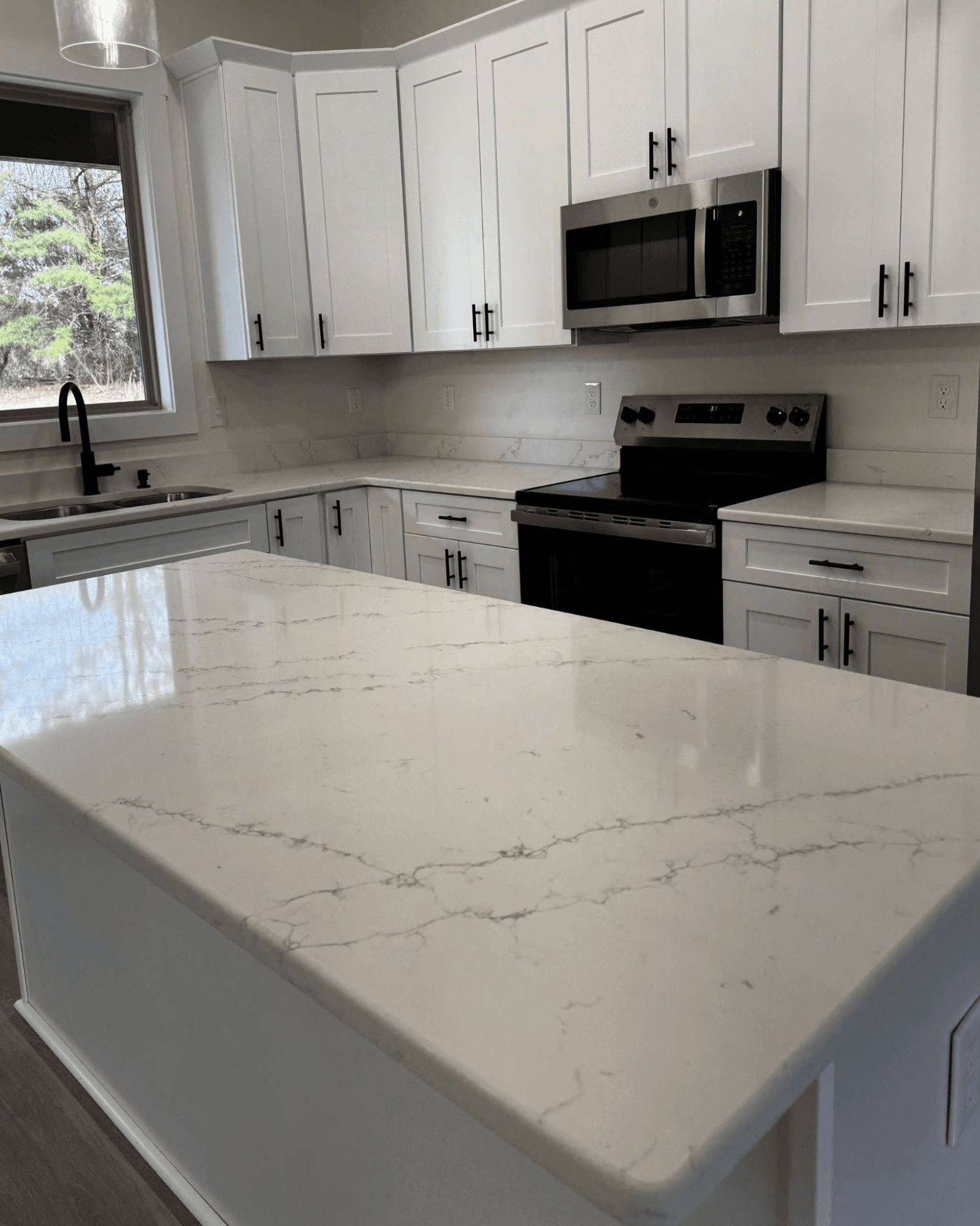
Premium quartz is designed for homeowners who want a luxury appearance and strong performance.
These slabs often include dramatic veining, rare colors, high-end finishes, and more detailed stone-like patterns.
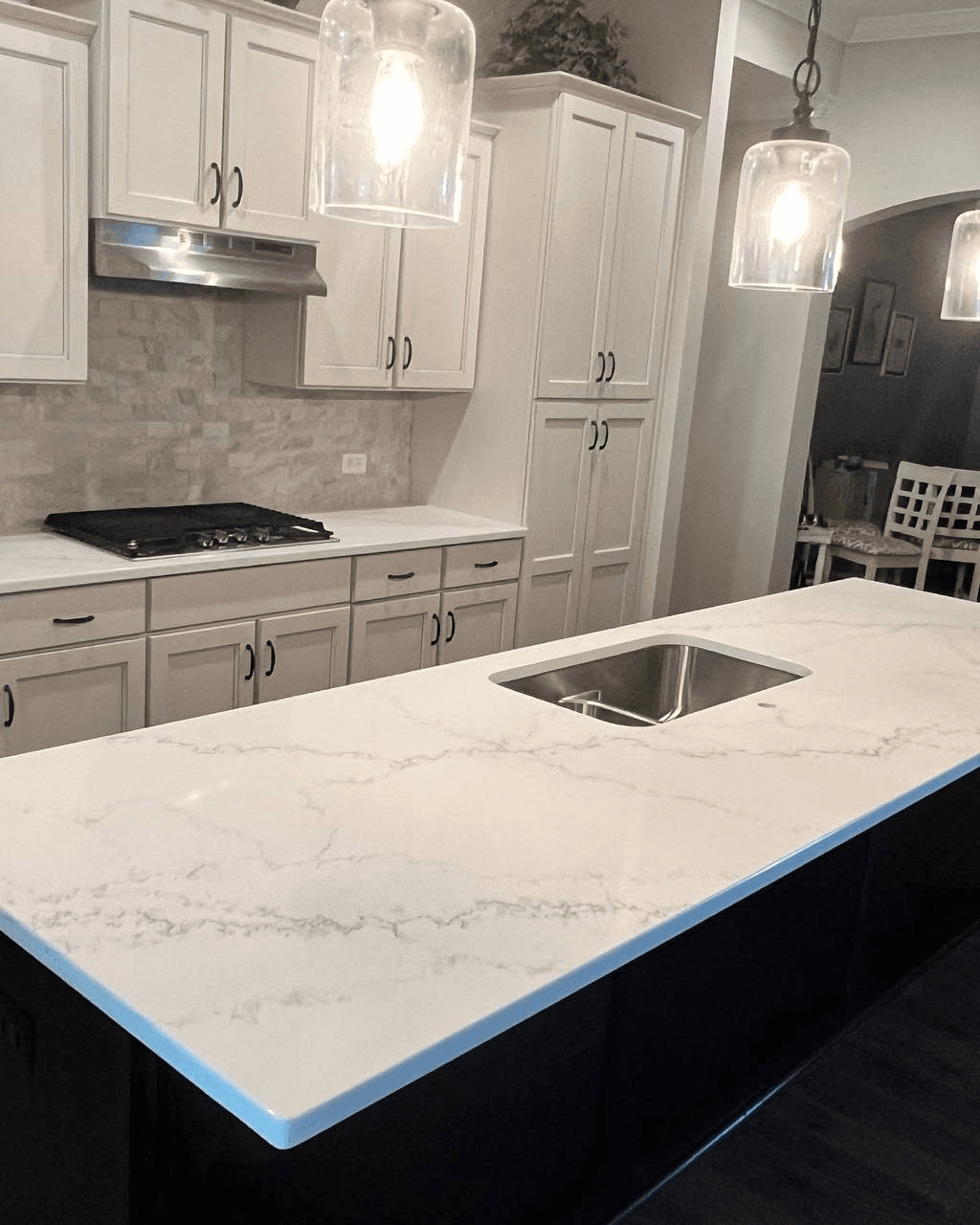
Premium quartz can create a strong focal point in the room, especially on large islands or open kitchen layouts.
Strong Design Impact
Premium quartz is often used when the countertop is meant to be a major design feature.
It can work well with waterfall edges, full-height backsplashes, bold islands, and custom cabinet designs.
If you want the countertop to define the space, premium quartz may be the right choice.
Typical Cost Range
Premium quartz may cost around $110 to $150+ per square foot installed.
Some designer options or complex installations can cost more. Larger spaces, custom edges, cutouts, and special finishes can also raise the final price.
This grade is best for homeowners who want a high-end result and are comfortable making a larger investment.
Best Uses
Premium quartz works well in luxury kitchens, high-traffic family spaces, and statement bathrooms.
It is also a good option for homeowners who want a refined look but prefer quartz over natural stone because of its easier maintenance.
This grade combines style, durability, and long-term visual appeal.
How to Choose the Right Quartz Grade
Start With Your Budget
Before choosing a slab, decide what you are comfortable spending.
Your budget should include the material, fabrication, installation, edge style, sink cutouts, and any extra design details.
This makes it easier to compare quartz grades without being surprised later.
Think About Daily Use
A busy kitchen needs a surface that can handle everyday activity.
If you cook often, have children, or use the kitchen as a main gathering space, durability and easy cleaning should matter as much as appearance.
Quartz countertops are strong across all grades, but the design and finish should still match your daily routine.
Match the Full Room Design
The countertop should work with the whole room.
Cabinets, backsplash, flooring, lighting, and hardware all affect the final look. A simple slab may be best in a busy design. A bold slab may work well if the rest of the room is calm.
Good planning helps the space feel balanced and complete.
View Samples in Person
Photos do not always show the real color, texture, or pattern.
A showroom visit helps you compare materials more accurately. It also lets you see how different quartz grades look side by side.
This is one of the best ways to choose with confidence.
Why Choose East Coast Granite of Myrtle Beach
Local Quartz Guidance
East Coast Granite of Myrtle Beach helps homeowners understand quartz options in a clear and practical way.
The team can explain the difference between entry-level, mid-range, and premium quartz. They can also help you compare price, design, and maintenance needs.
With the right team, the process feels smoother from selection to installation.