
Marble brings elegance, depth, and a luxury feel into the home. It is often chosen for kitchens, bathrooms, islands, and vanity areas because of its soft veining and timeless appearance.
At the same time, marble needs mindful care. It can stain, scratch, or etch if it is not cleaned and protected correctly. This is why homeowners should understand how to protect marble countertops before problems appear.
This guide explains daily cleaning, sealing, and simple habits that help preserve the look and performance of marble surfaces. East Coast Granite of Myrtle Beach can help homeowners choose, install, and care for marble with confidence.
Understanding Marble’s Strengths and Vulnerabilities
Why Homeowners Love Marble
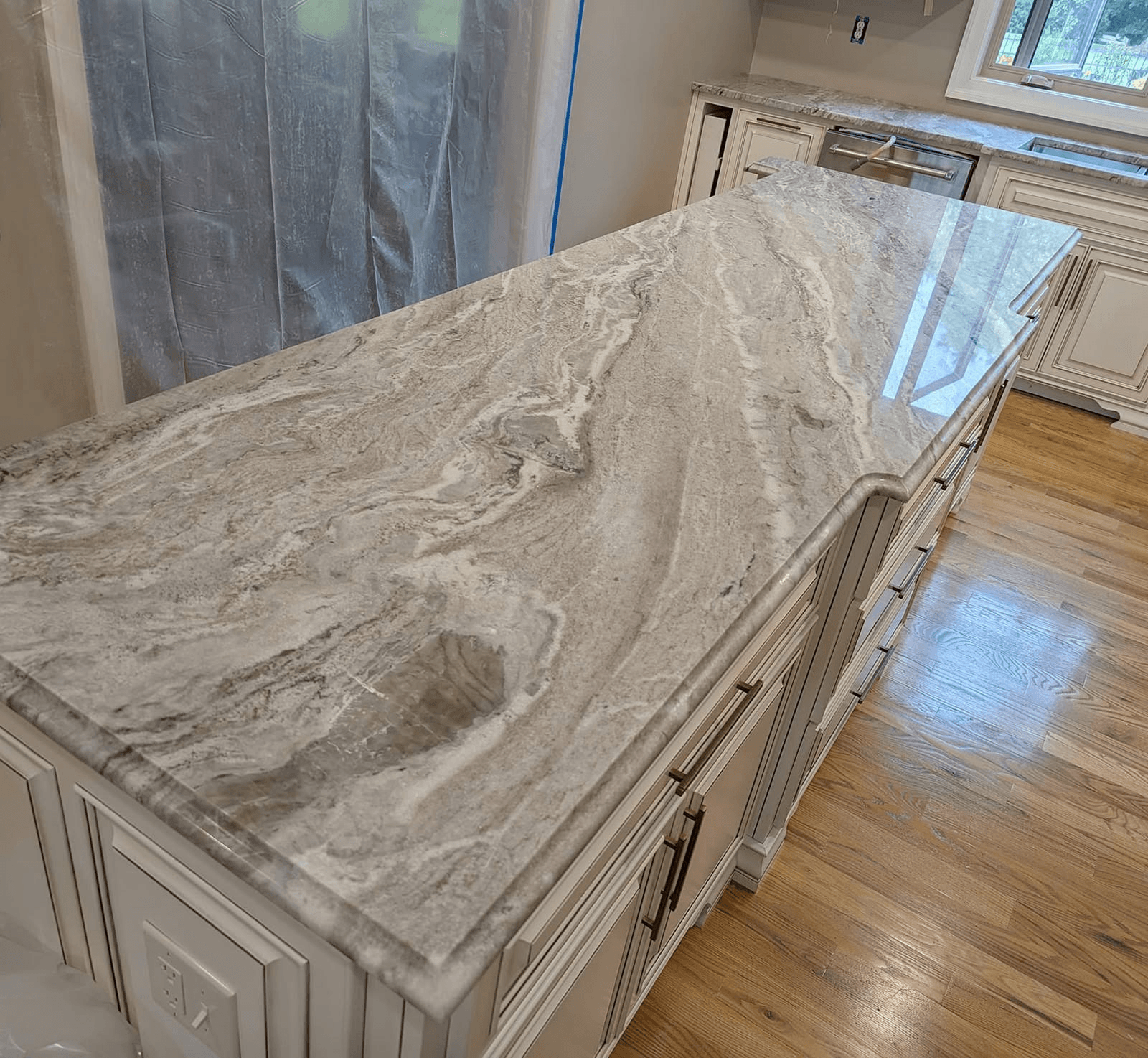
Marble is a natural stone with unique veining, soft movement, and a refined look. No two slabs are exactly the same, which makes each installation feel personal and high-end.
It works well with many kitchen styles, from classic and coastal to modern and transitional. It can also make bathrooms feel brighter and more elegant.
For homeowners who want kitchen countertops with a luxury appearance, marble remains one of the most beautiful choices.
Why Marble Needs More Care
Marble is softer and more porous than materials like granite or quartz. This means it can absorb liquids and show marks more easily if it is not maintained properly.
Acidic substances like lemon juice, vinegar, wine, tomato sauce, and some cleaners can cause etching. Etching looks like a dull spot on the surface.
Understanding these limits is the first step in good countertop protection.
Daily Cleaning and Maintenance Tips
Use Gentle Cleaners
Daily cleaning should be simple and safe. Use a soft cloth, warm water, and a mild cleaner made for stone.
Avoid vinegar, bleach, ammonia, and harsh chemicals. These products can damage the finish or weaken protective sealers.
A gentle routine is one of the best ways to support long-term marble maintenance.
Wipe Spills Quickly
Spills should not sit on marble for long. Coffee, wine, juice, oil, and acidic foods can leave marks if they absorb into the stone.
Blot spills with a soft cloth instead of rubbing hard. Then clean the area with a stone-safe product.
Fast cleanup helps reduce the risk of staining and etching.
Dust and Dry the Surface
Small crumbs and grit can scratch marble if they are dragged across the surface.
Wipe the surface regularly with a soft microfiber cloth. Keep sink areas dry when possible, especially around faucets and seams.
Small daily habits can make marble surface protection much easier over time.
Sealing Your Marble Countertops
Why Sealing Matters
Sealing helps reduce the stone’s natural porosity. It creates a protective barrier that slows liquid absorption and gives homeowners more time to clean spills.
A sealer does not make marble damage-proof, but it does improve stain resistance. It is an important part of long-term care.
If you want to protect marble countertops, sealing should be part of the maintenance plan.
How Often to Seal
The sealing schedule depends on the marble type, finish, and level of use. A busy kitchen may need more frequent sealing than a bathroom vanity or low-use area.
A simple water test can help. Place a few drops of water on the stone. If the water darkens the surface quickly, it may be time to reseal.
Professional guidance can help you avoid both under-sealing and over-sealing.
DIY vs. Professional Sealing
Some homeowners choose to seal marble themselves. This can work if the correct product is used and directions are followed carefully.
Professional sealing may be better for larger surfaces, older marble, or areas that already show wear. A professional can also check whether the stone needs cleaning or repair before sealing.
East Coast Granite of Myrtle Beach can provide care guidance for the specific marble in your home.

Preventing Scratches and Surface Damage
Use Cutting Boards
Never cut directly on marble. Knives can scratch the surface, and the stone can also dull the blade.
Use cutting boards for food prep every time. This protects both the countertop and your kitchen tools.
It is one of the easiest habits for keeping marble in better condition.
Use Trivets and Mats
Hot cookware should not be placed directly on marble. While marble can handle some heat, sudden temperature changes can still create risk.
Use trivets, hot pads, or protective mats under pans, baking sheets, and small appliances.
This helps prevent surface stress and protects the finish.
Avoid Dragging Heavy Items
Heavy pots, appliances, trays, and décor should be lifted instead of dragged across the countertop.
Dragging items can leave scratches or dull marks. This is especially important in high-use areas like islands and prep zones.
A careful approach helps preserve the polished look of the stone.
Use Coasters and Trays
Glassware, bottles, oils, and soaps should sit on coasters or trays when possible.
This is especially helpful in bathrooms, bars, and kitchen areas where liquids are used often.
Trays create a simple barrier and help keep the surface clean.
Why Choose East Coast Granite of Myrtle Beach
East Coast Granite of Myrtle Beach understands how to work with marble from selection to installation and care.
The team can explain the differences between marble options, finishes, edges, and maintenance needs. This helps homeowners choose a surface that fits both style and daily use.
Expert guidance is especially helpful when choosing a premium material that needs proper care.
If you are planning a marble project or need help maintaining an existing surface, contact East Coast Granite of Myrtle Beach. The team can help you explore marble options, request a quote, or get expert advice on keeping your countertops elegant and functional.