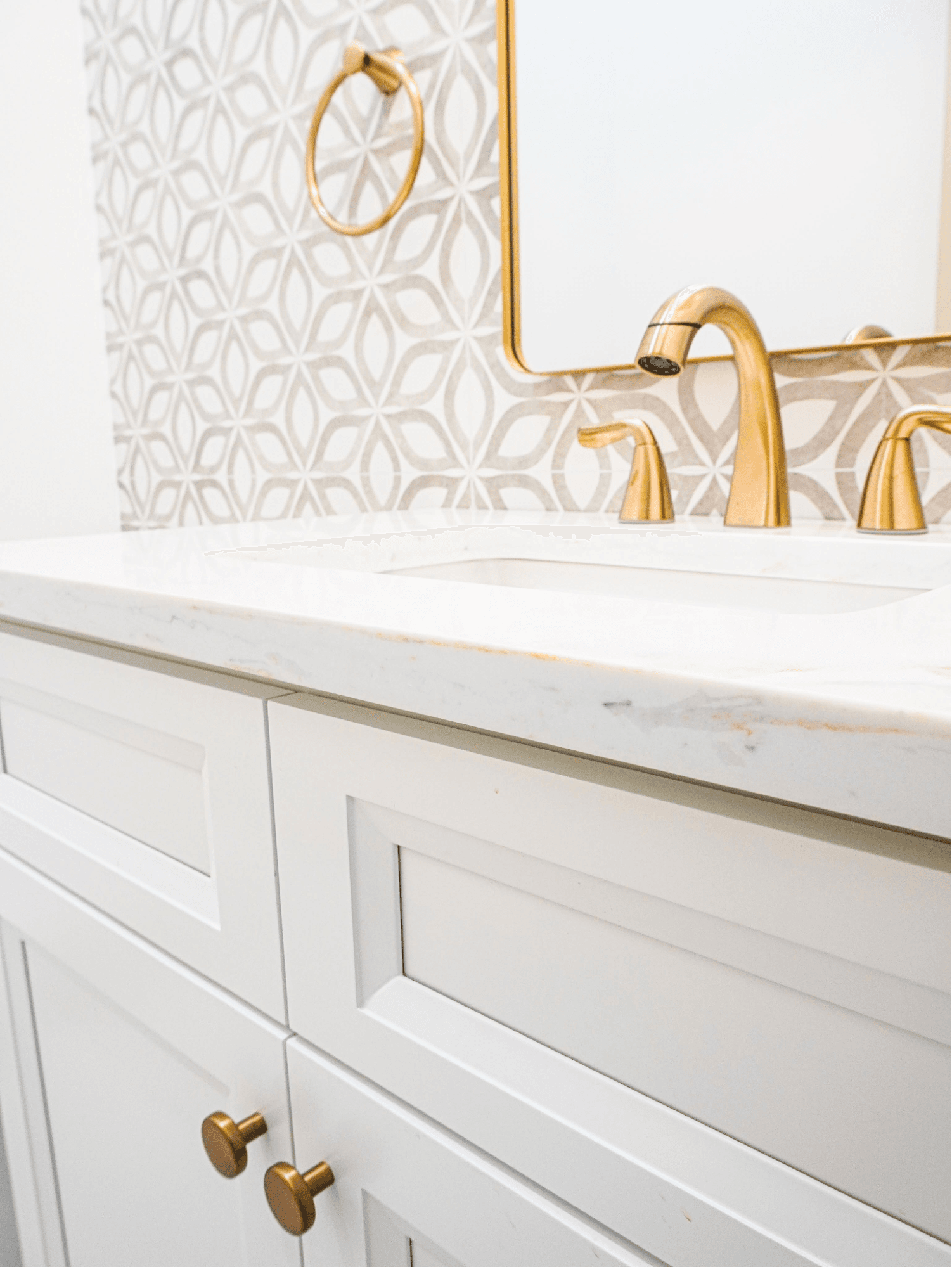
Granite is a popular natural surface for vanities because it offers durability, color variation, and a polished look. It can handle everyday routines while giving the room a more finished and permanent feel.
Bathrooms face moisture, cosmetics, soap, toothpaste, cleaning products, and daily wear. A good surface needs to look attractive while standing up to these conditions with proper care.
This guide explains the benefits of granite bathroom countertops, how the material handles moisture, whether sealing is needed, and what homeowners should consider before choosing a slab.
Why Homeowners Choose Granite for Vanities
Granite offers unique movement and mineral detail. No two slabs are exactly the same, which gives each bathroom a custom appearance.
There are many granite colors, from soft whites and grays to beige, brown, black, blue, green, and dramatic mixed patterns. This makes it easier to coordinate with tile, cabinets, mirrors, and fixtures.
Popular granite countertops are valued because they combine visual appeal with strength. In a vanity area, granite can handle normal use well when it is installed and maintained correctly.
Granite can fit traditional, coastal, transitional, modern, and luxury spaces. The final effect depends on the slab color, edge profile, cabinet finish, lighting, and hardware.
A stone vanity top can make the whole room feel more complete. It also creates a durable surface around sinks, faucets, and storage areas.
How Durable Is Granite in a Vanity Area?
Granite is known for hardness and general resistance to everyday wear. It is less likely to scratch from normal bathroom use than many softer materials.
Hair tools can create heat risk in a bathroom. Granite handles heat better than many engineered countertops, but hot tools should still be placed on a protective mat.
Daily activities such as washing hands, applying makeup, shaving, and cleaning usually do not create problems when the surface is cared for properly.
Heavy items dropped on corners or edges can chip the stone. Perfume bottles, tools, and décor should be handled with care.
A strong surface still needs proper support. Professional measuring, fabrication, and installation help the vanity top sit level and perform well over time.
Is Granite Resistant to Water and Moisture?
Granite naturally handles moisture well, but it is still porous to some degree. Water can affect the surface if the stone is unsealed, poorly sealed, or exposed to standing moisture for long periods.
Water often collects around faucets, sink edges, seams, and backsplashes. These areas should be wiped regularly so minerals and soap residue do not build up.
Makeup, hair dye, lotions, oils, and colored products should not sit on the counter. Fast cleanup helps reduce the chance of stains.
Harsh bathroom cleaners can damage sealers or dull the surface. Mild soap, warm water, and stone-safe products are better for routine care.
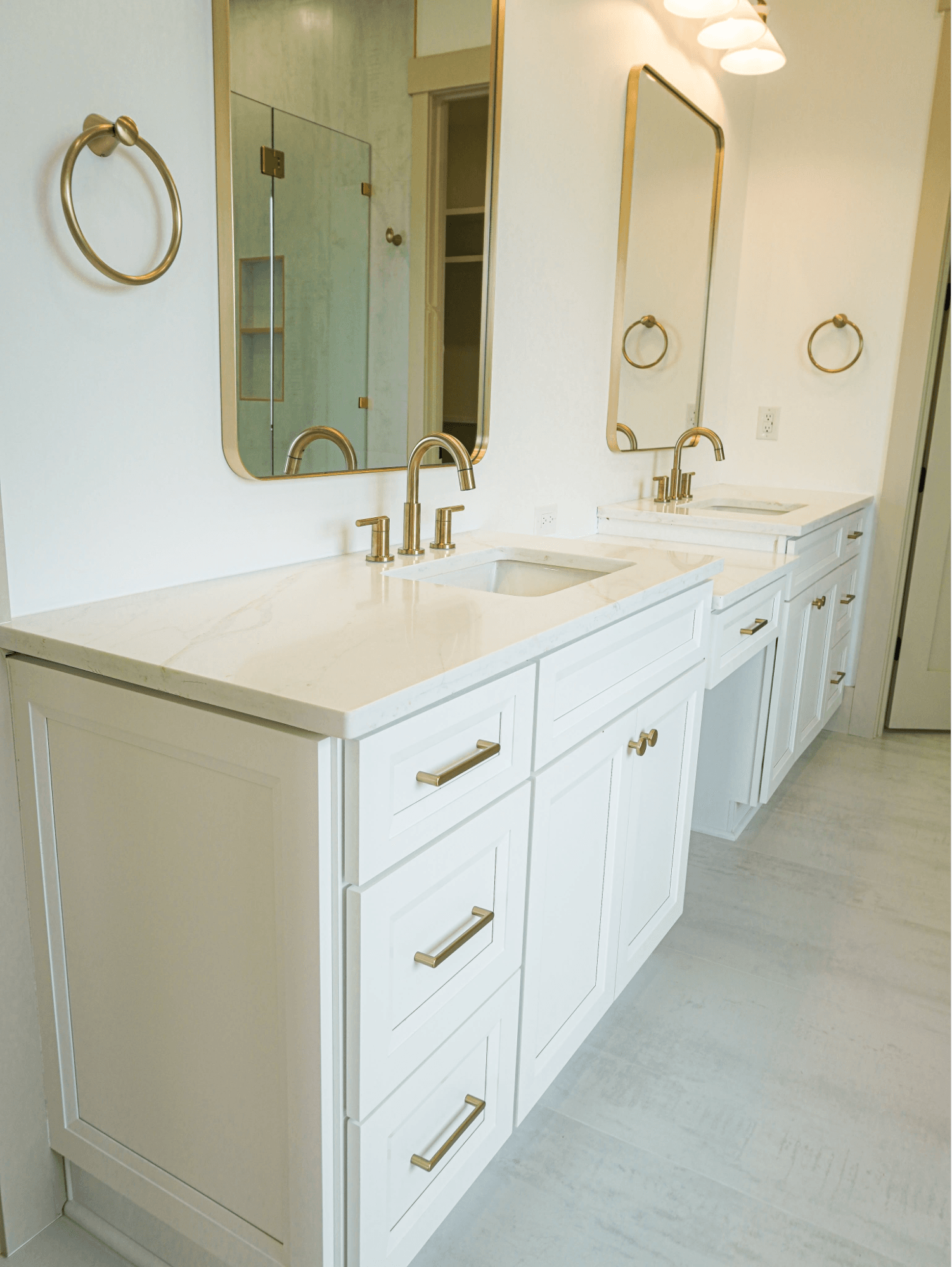
Does Granite Need Sealing?
Sealing may be recommended because granite can absorb moisture or stains depending on the slab. A good sealer helps protect the surface and makes cleaning easier.
Some slabs are denser than others. The need for sealing depends on the stone, finish, age of the sealer, and level of use.
Homeowners can place a few drops of water on a small area and watch whether the surface darkens. If water absorbs quickly, resealing may be needed.
The installer or fabricator can recommend a maintenance schedule. This advice is more useful than guessing based only on appearance.
Granite Compared With Other Options
Quartz and Other Surfaces
Quartz can be easier for some homeowners because it is nonporous and does not need sealing. However, granite offers natural variation that many people prefer.
Marble
Marble can be beautiful, but it is usually more sensitive to etching and staining. Granite is often the more practical natural stone for a busy vanity.
Laminate and Solid Surface
These options may cost less, but they do not provide the same natural depth or long-term stone appearance. The right choice depends on budget and design goals.
Choosing the Right Slab
The slab should support the bathroom design rather than overpower it. A small powder room may handle a bold pattern, while a large primary bath may benefit from a calmer surface.
Bathroom lighting can change how the slab appears. View samples near the actual vanity, tile, and wall color before making a decision.
A beautiful surface still needs realistic maintenance. Homeowners should choose a material that fits their habits and comfort level.
Cost and Long-Term Value
The final cost depends on slab selection, vanity size, sink cutout, edge profile, backsplash choice, and installation details. A small powder room can require far less material than a large double vanity.
The best choice is not only the most expensive slab. It is the surface that fits the room, supports daily use, and can be maintained without stress.
Best Places to Use Granite in the Bathroom
Granite works well for primary vanities where the surface needs to handle frequent use, water exposure, and daily cleaning. A calmer slab can create a polished look without overwhelming the room.
A powder room can support a bolder slab because the surface area is often smaller. This makes it easier to use strong movement or deeper color as a design feature.
In guest spaces, granite can provide a durable and attractive surface without complicated care. A neutral slab can fit many styles and stay appealing over time.
East Coast Granite of Myrtle Beach can help homeowners compare slabs, finishes, edge profiles, and care requirements. With proper selection and maintenance, granite can be a strong and attractive choice for a bathroom vanity.